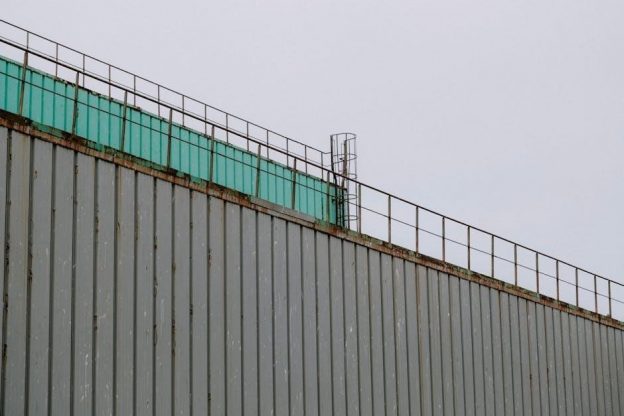
Standing seam metal roofs are gaining popularity due to their durability‚ sleek appearance‚ and long-term protection. These systems offer unparalleled benefits‚
becoming a preferred choice for homeowners and builders alike‚ showcasing exceptional architectural allure.
What is a Standing Seam Metal Roof?
Standing seam metal roofs are comprised of wide metal panels joined together by raised seams‚ creating a visually striking and incredibly durable roofing system. Unlike other metal roofing options‚ standing seam roofs feature concealed fasteners‚ meaning the screws or nails aren’t visible. This is achieved through the use of clips attached to the roof deck‚ hidden beneath the panels.
These panels typically run from the ridge of the roof to the eaves‚ minimizing horizontal seams and potential leak points. The raised seams themselves are formed by mechanically joining the edges of adjacent panels‚ providing a watertight seal. This construction method is recognized as one of the most effective ways to protect a building from the elements‚ offering exceptional longevity and resistance to weather damage.
Benefits of Standing Seam Metal Roofs
Standing seam metal roofs offer a multitude of advantages. Their exceptional durability translates to a long lifespan‚ often exceeding 50 years‚ providing significant long-term value. They are resistant to fire‚ wind‚ snow‚ and even impact damage‚ ensuring robust protection.
Furthermore‚ metal roofs are energy efficient‚ reflecting solar radiant heat and reducing cooling costs. Their sleek‚ clean lines enhance a building’s aesthetic appeal‚ boosting curb appeal and property value. The concealed fastener system eliminates potential leak points‚ and the material is often recyclable‚ contributing to sustainable building practices. They truly represent a premium roofing solution.
Standing Seam vs. Other Metal Roofing Types
Standing seam roofing distinguishes itself from other metal options like corrugated or ribbed panels. Unlike these‚ standing seam features concealed fasteners‚ minimizing potential leak points and offering a cleaner aesthetic. While corrugated metal is often more affordable upfront‚ standing seam provides superior longevity and weather resistance.
Compared to metal shingles or tiles‚ standing seam offers expansive‚ continuous panels‚ reducing seams and potential failure points. It’s also less prone to damage from hail or extreme temperatures. Though installation can be more complex‚ the long-term benefits of durability and minimal maintenance often outweigh the initial cost difference.
Detailed Components of a Standing Seam Roof System
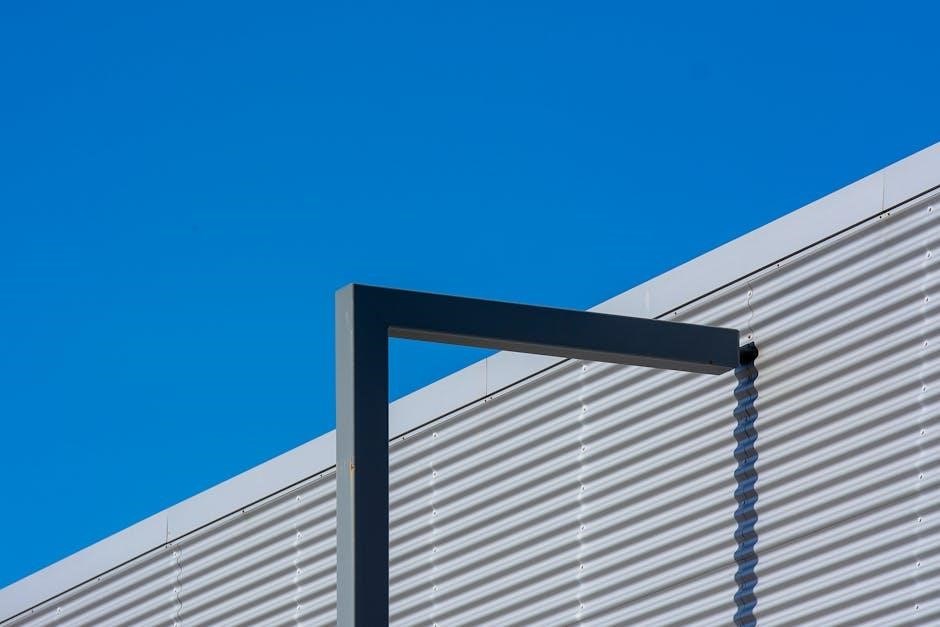
A standing seam roof comprises metal panels‚ underlayment‚ and fastening systems‚ working together to create a weathertight and durable barrier for your structure.
Metal Panel Materials
Selecting the right metal is crucial for a standing seam roof’s longevity and performance. Galvanized steel offers a cost-effective solution‚ providing good strength and corrosion resistance‚ though it may require painting for optimal protection.
Aluminum is lightweight‚ naturally corrosion-resistant‚ and ideal for coastal environments‚ but generally costs more than steel. Copper‚ while the most expensive option‚ provides exceptional durability‚ a beautiful patina over time‚ and a lifespan exceeding 100 years.
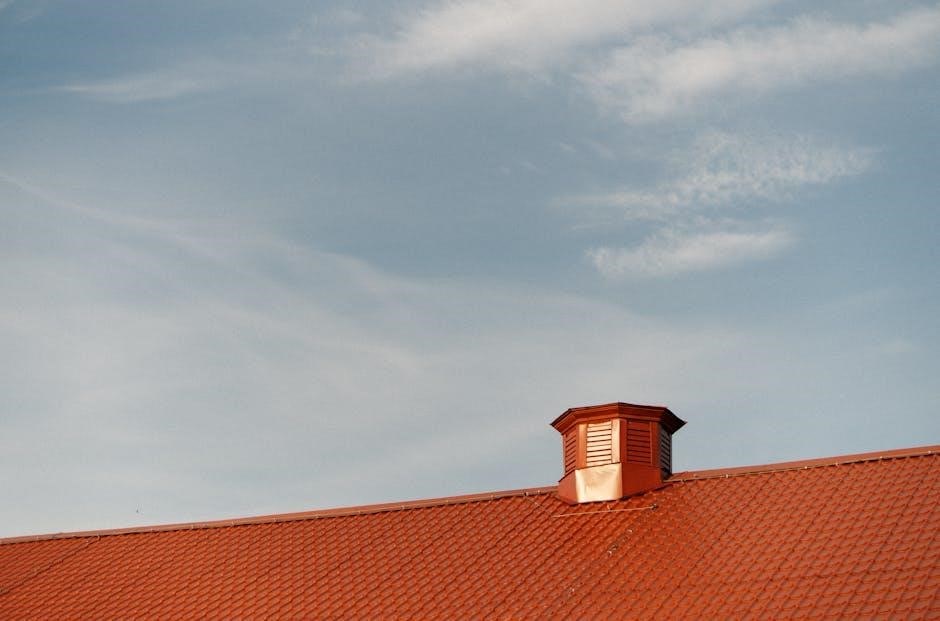
Each material impacts the roof’s weight‚ cost‚ and aesthetic‚ so careful consideration of your budget‚ climate‚ and desired appearance is essential when choosing the best metal panel for your project.
Galvanized Steel
Galvanized steel panels represent a popular and economical choice for standing seam roofs. The steel is coated with zinc‚ providing excellent corrosion resistance‚ making it suitable for various climates. However‚ the zinc coating can eventually degrade over time‚ potentially leading to rust.
To mitigate this‚ galvanized steel panels are often painted with a high-quality finish‚ enhancing their durability and aesthetic appeal. While offering good strength and affordability‚ galvanized steel is heavier than aluminum.
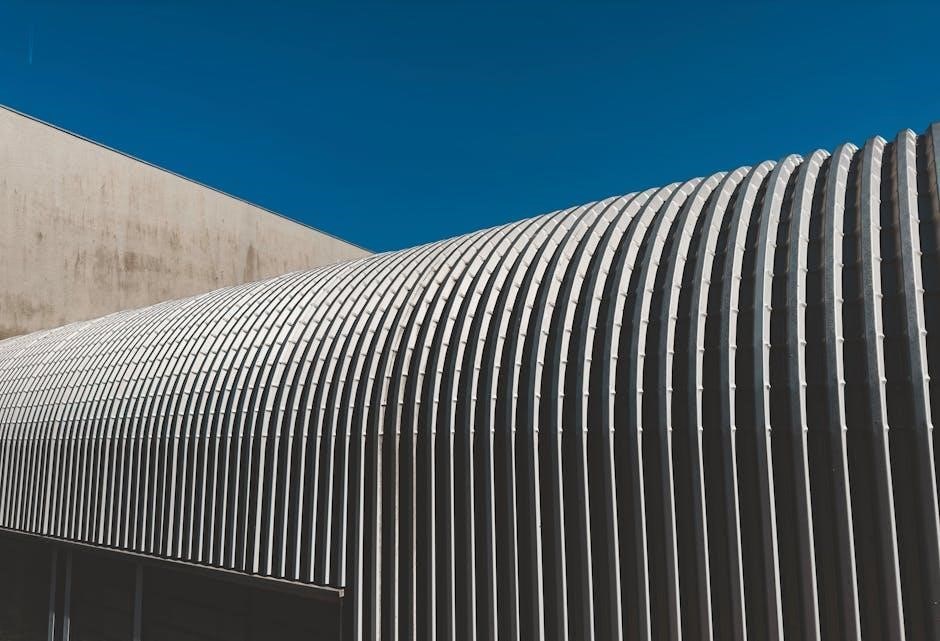
Proper installation and regular maintenance‚ including periodic repainting‚ are crucial to maximizing the lifespan of a galvanized steel roof.
Aluminum
Aluminum standing seam panels are prized for their lightweight nature‚ excellent corrosion resistance‚ and longevity. Unlike steel‚ aluminum doesn’t rust‚ making it an ideal choice for coastal environments or areas with high humidity. It’s naturally resistant to weathering and requires minimal maintenance throughout its lifespan.
However‚ aluminum is generally softer than steel and may be more susceptible to denting from hail or falling debris. Despite this‚ its durability and resistance to the elements make it a cost-effective long-term investment.
Aluminum is also recyclable‚ adding to its environmental benefits.
Copper
Copper standing seam roofing represents a premium choice‚ celebrated for its exceptional durability‚ distinctive aesthetic‚ and incredibly long lifespan – often exceeding 100 years. Initially expensive‚ copper develops a beautiful patina over time‚ transitioning from a bright‚ shiny finish to a characteristic green or blue-green hue.
This natural process not only enhances its visual appeal but also creates a protective layer against corrosion. Copper is also fully recyclable‚ making it an environmentally responsible option.
Its inherent resistance to corrosion and fire makes it a highly reliable roofing material.
Underlayment Options
Underlayment is a crucial component of a standing seam metal roof system‚ providing a secondary layer of protection against water intrusion and condensation. Selecting the right underlayment is vital for long-term roof performance and preventing damage to the roof deck.
Two primary options dominate the market: synthetic and rubber underlayment. Synthetic underlayments are lightweight‚ tear-resistant‚ and offer excellent waterproofing capabilities. Rubber underlayment‚ often made from modified bitumen‚ provides a self-adhering‚ watertight seal.
The choice depends on climate‚ roof slope‚ and budget considerations.
Synthetic Underlayment
Synthetic underlayment represents a modern advancement in roofing protection‚ offering a lightweight yet remarkably durable barrier against the elements. Constructed from woven polypropylene or polyethylene‚ these underlayments are engineered for superior tear resistance and puncture protection‚ crucial for standing seam installations.
They excel in waterproofing‚ preventing moisture from reaching the roof deck‚ and often include UV resistance for prolonged exposure during installation. Synthetic options are easier to handle than traditional felt paper‚ reducing labor time and waste.
Their breathability also aids in moisture vapor escape‚ preventing condensation build-up.
Rubber Underlayment
Rubber underlayment‚ typically EPDM (ethylene propylene diene monomer)‚ provides a robust and fully waterproof layer beneath standing seam metal roofs. Known for its exceptional durability and resistance to extreme temperatures‚ rubber underlayment excels in challenging climates.
It offers superior protection against ice dams and wind-driven rain‚ creating a watertight seal. While heavier and potentially more costly than synthetic options‚ its longevity and performance are highly valued.
Rubber underlayment is particularly beneficial in regions prone to severe weather‚ ensuring long-lasting roof integrity and preventing leaks.
Fastening Systems
Fastening systems are critical to a standing seam metal roof’s performance‚ dictating its resistance to wind uplift and overall longevity. Two primary methods exist: hidden fastener and exposed fastener systems.
Hidden fastener systems utilize clips attached to the roof deck‚ concealed by the metal panels themselves‚ offering a clean aesthetic and minimizing potential failure points. Exposed fastener systems‚ while less visually appealing‚ are often more economical and can be easier to install;
The choice depends on project requirements‚ budget‚ and desired aesthetic‚ with proper installation being paramount for either system’s success.
Hidden Fastener Systems
Hidden fastener systems represent a premium approach to securing standing seam metal roofs‚ prioritizing aesthetics and long-term performance. These systems employ specialized clips‚ meticulously fastened to the roof deck‚ that are entirely concealed beneath the overlapping metal panels.
This method eliminates visible screw penetrations‚ reducing the risk of water intrusion and corrosion. The clips allow for thermal expansion and contraction of the metal‚ preventing oil-canning and maintaining roof integrity.
While generally more expensive‚ hidden fastener systems deliver a clean‚ sophisticated look and enhanced durability‚ making them a favored choice for discerning homeowners.
Exposed Fastener Systems
Exposed fastener systems offer a more economical approach to installing standing seam metal roofs‚ utilizing screws or fasteners that are visible on the roof’s surface. These systems typically involve attaching the metal panels directly to the roof deck with specialized screws featuring neoprene washers to prevent leaks.
While cost-effective‚ exposed fasteners require careful installation to ensure proper sealing and prevent corrosion. Thermal movement can also be a concern‚ potentially leading to loosening or stripping of the fasteners over time.
Despite these considerations‚ exposed fastener systems remain a viable option for certain applications‚ particularly where budget is a primary concern.
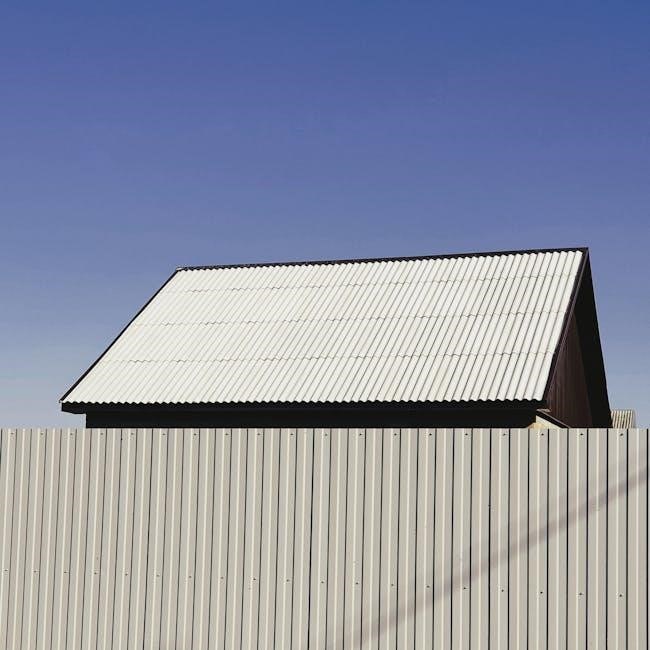
Installation Process: A Step-by-Step Guide
Proper installation begins at the eaves‚ securing the first panel with hidden clips fastened to the roof deck‚ ensuring alignment and a durable‚ lasting roof system.
Eave Preparation and Installation
Eave preparation is crucial for a successful standing seam metal roof installation. Begin by ensuring the eave is level and structurally sound‚ capable of supporting the roofing system. Install a drip edge along the eave to direct water away from the fascia board‚ preventing moisture damage.
The initial metal panel is carefully aligned with the eave‚ and secured using specialized clips. These clips are fastened to the roof deck but remain concealed beneath the subsequent panel‚ creating the signature clean lines of a standing seam roof. Proper clip spacing is vital‚ dictated by local building codes and the panel manufacturer’s specifications;
Attention to detail during this phase establishes a solid foundation for the entire roof‚ ensuring long-term performance and weather resistance.
Panel Alignment and Seaming
Precise panel alignment is paramount for both aesthetic appeal and watertight performance in standing seam metal roofing. Each panel must be laid out sequentially‚ overlapping the previous one according to the manufacturer’s guidelines. Maintaining consistent alignment prevents unsightly waves or distortions in the finished roofline.
The “seam” – the raised vertical feature – is formed by mechanically joining the edges of adjacent panels. This is typically achieved using specialized seamers‚ tools that fold and interlock the metal‚ creating a robust and weather-tight connection.
Proper seaming requires skill and experience‚ ensuring the seams are consistently formed and securely fastened‚ preventing water infiltration and maximizing the roof’s longevity.
Clip Installation Techniques
Hidden fastener systems rely on clips to secure the metal panels to the roof deck‚ a crucial element of standing seam installation. These clips are strategically placed along the roof‚ fastened to the deck before the panels are laid. They are designed to allow for thermal expansion and contraction of the metal‚ preventing buckling or stress.
Installation begins at the eaves‚ with the first panel aligned and secured using these clips. Proper clip spacing‚ dictated by wind load and panel gauge‚ is essential for structural integrity.
The clips remain concealed beneath the standing seams‚ providing a clean‚ fastener-free appearance and protecting against corrosion.
Ridge Cap Details
The ridge cap is the finishing element at the peak of a standing seam roof‚ crucial for weatherproofing and aesthetics. It covers the exposed seams where panels meet‚ preventing water intrusion and providing a clean‚ finished look. Proper installation is paramount for long-term performance.
Ridge Cap Material Options typically match the panel material – steel‚ aluminum‚ or copper – ensuring color consistency and compatibility.
Securing the Ridge Cap involves specialized fasteners and sealants. A common technique involves utilizing the space under the ridge cap for conduit routing‚ avoiding punctures in the seams‚ as demonstrated by DIY installers.
Ridge Cap Material Options
Selecting the right ridge cap material is vital for a cohesive and durable standing seam roof. Typically‚ the ridge cap material should precisely match the metal panel material – be it galvanized steel‚ aluminum‚ or copper – to ensure consistent aesthetics and prevent galvanic corrosion.
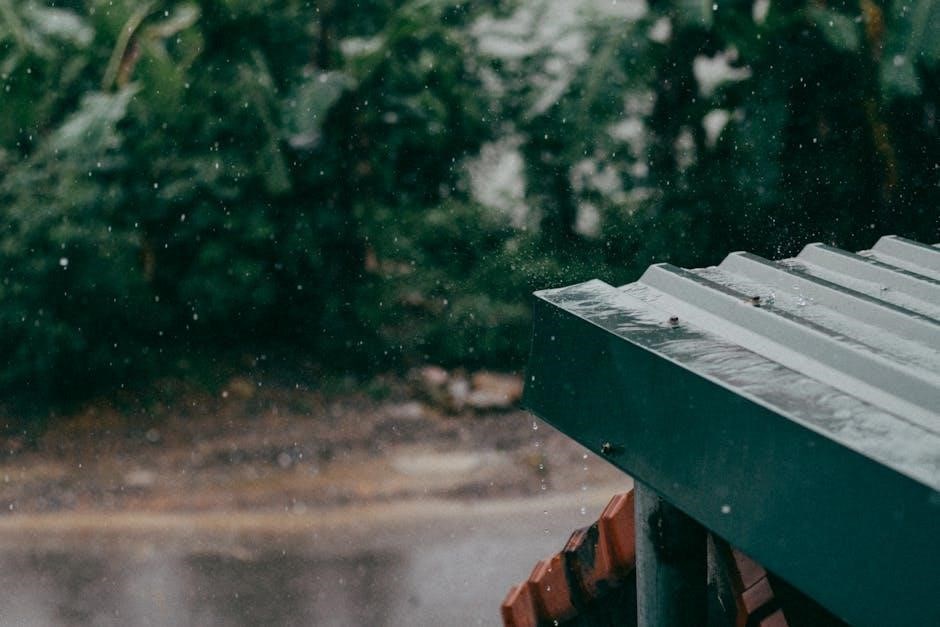
Galvanized steel ridge caps offer cost-effectiveness and strength‚ while aluminum ridge caps provide excellent corrosion resistance‚ particularly in coastal environments. Copper ridge caps‚ though more expensive‚ deliver a classic look and exceptional longevity.
Choosing a compatible material guarantees thermal expansion and contraction rates align‚ minimizing stress and maximizing the roof’s lifespan.
Securing the Ridge Cap
Properly securing the ridge cap is crucial for preventing water infiltration and ensuring the roof’s structural integrity. Typically‚ ridge caps are fastened using concealed clips or screws‚ designed to accommodate thermal movement without compromising the seal.
Concealed clip systems offer a clean aesthetic‚ while screws provide a more robust‚ albeit visible‚ fastening solution. It’s essential to use fasteners compatible with both the ridge cap and the underlying metal to avoid corrosion.
Sealant application‚ specifically designed for metal roofing‚ further enhances the watertightness of the ridge cap‚ creating a lasting barrier against the elements.
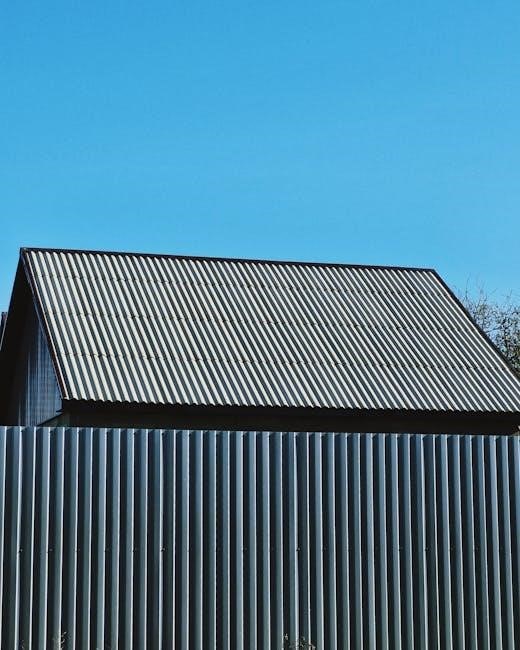
Addressing Specific Installation Challenges
Successful standing seam installation requires careful attention to detail‚ particularly when navigating roof slope‚ penetrations‚ and electrical wiring considerations for lasting performance.
Dealing with Roof Slope
Roof slope significantly impacts standing seam metal roof installation‚ demanding precise techniques for proper water shedding and panel alignment. Best practices dictate careful consideration of the slope’s steepness‚ influencing clip spacing and panel engagement. Lower slopes necessitate tighter clip spacing to prevent water intrusion‚ while steeper slopes allow for wider spacing.
Expert installers adjust their approach based on the specific pitch‚ ensuring panels interlock securely and create a watertight seal. Proper underlayment selection is also crucial‚ providing an additional layer of protection against moisture. Addressing roof slope correctly is fundamental to a durable‚ long-lasting standing seam metal roof system‚ preventing potential leaks and ensuring optimal performance.
Penetrations and Flashing
Properly addressing roof penetrations – such as vent pipes and skylights – is critical for maintaining a watertight standing seam metal roof. Flashing details must be meticulously executed to prevent leaks around these areas; Vent pipe flashing requires careful sealing around the pipe‚ integrating it seamlessly with the metal panels.
Skylight flashing demands a more complex approach‚ ensuring a secure connection between the skylight frame‚ flashing‚ and metal roofing system. Utilizing pre-fabricated flashing components and high-quality sealants is essential. Ignoring these details can lead to costly water damage‚ highlighting the importance of expert installation and attention to detail.
Vent Pipe Flashing
Effective vent pipe flashing on a standing seam roof requires a robust and watertight seal. The process involves carefully cutting and fitting flashing material around the vent pipe‚ ensuring it overlaps the metal panels sufficiently. A rubber or neoprene boot is often used to create a flexible‚ waterproof barrier between the pipe and the flashing.
Sealant application is crucial‚ utilizing a high-quality‚ weather-resistant product to fill any gaps and prevent water intrusion. The flashing should be integrated with the standing seam clips‚ providing additional support and preventing movement. Proper installation guarantees long-term protection against leaks and maintains the roof’s integrity.
Skylight Flashing
Skylight flashing on standing seam roofs demands meticulous attention to detail for a watertight installation. It typically involves creating a “cricket” or saddle around the skylight to divert water flow. This structure is built using metal panels and sealed with appropriate flashing materials‚ ensuring water runs around‚ not onto‚ the skylight.
Integration with the standing seam is vital; the flashing must seamlessly connect with the roof’s clip system. High-quality sealants are essential to bridge any gaps and prevent leaks. Proper layering and overlapping of flashing components are critical for long-term performance and maintaining the roof’s protective barrier.
Running Wiring with Standing Seam Roofs
Running wiring alongside standing seam metal roofs requires careful planning to avoid compromising the roof’s integrity. Never puncture the seams‚ as this voids warranties and creates leak potential. A preferred method involves utilizing the space under the ridge cap.
Employing 3/4” liquid-tight FMC conduit routed into the attic via junction boxes is a clean‚ effective solution. This avoids visible conduit running over the roof’s surface. Alternatively‚ wiring can be run within the attic space itself‚ minimizing roof penetrations. Prioritize safety and adherence to electrical codes throughout the process.
Using Ridge Caps for Conduit Routing
Ridge caps offer a discreet pathway for running electrical conduit with standing seam roofs‚ avoiding unsightly exterior runs. This method leverages existing roof components‚ maintaining the clean aesthetic. Utilizing a 3/4” liquid-tight Flexible Metal Conduit (FMC) is recommended for protection and flexibility.
Carefully route the conduit under the ridge cap‚ ensuring it enters the attic through appropriately sized and sealed junction boxes. This minimizes the risk of water ingress and maintains the roof’s weather-tightness. Proper sealing around penetrations is crucial. This technique provides a neat‚ code-compliant solution for electrical wiring.
Avoiding Punctures in the Seams
Maintaining the integrity of standing seams is paramount for a watertight roof. Direct penetration compromises the weather-tight seal and voids warranties. Never puncture the metal panels for wiring or other utilities; it’s a critical installation error.
Employ alternative methods like routing wiring under the ridge cap‚ utilizing existing penetrations for plumbing vents‚ or incorporating conduit before panel installation. Careful planning during the design phase prevents the need for post-installation modifications. Prioritize non-invasive solutions to preserve the roof’s protective qualities and longevity‚ ensuring lasting performance.
Maintenance and Longevity
Regular inspections are key to maximizing a standing seam metal roof’s lifespan. Proactive cleaning and prompt repair of minor damage ensure decades of reliable protection.
Regular Inspection Points
Consistent roof inspections are crucial for maintaining the longevity and performance of your standing seam metal roof. Focus on areas around penetrations – vent pipes‚ skylights – checking for compromised flashing and sealant integrity. Examine seams for any signs of separation‚ oil canning‚ or fastener issues.
Pay close attention to the ridge cap‚ ensuring it remains securely fastened and free from damage. Inspect gutters and downspouts for debris accumulation‚ which can lead to water backup and potential leaks. Look for any evidence of corrosion‚ particularly near coastal areas or in industrial environments. Document findings with photos and address any concerns promptly to prevent minor issues from escalating into costly repairs.
Cleaning Procedures
Routine cleaning preserves the aesthetic appeal and extends the lifespan of your standing seam metal roof. Begin with a gentle rinse using a garden hose to remove loose debris like leaves and branches. Avoid high-pressure washers‚ as they can damage the coating and seams.
For stubborn dirt or mildew‚ use a mild detergent specifically designed for metal roofing‚ diluted in water. Apply with a soft brush and rinse thoroughly. Never use abrasive cleaners or scrub brushes‚ as these can scratch the surface. Inspect gutters and downspouts regularly‚ removing any accumulated debris to ensure proper water drainage and prevent potential damage.
Repairing Minor Damage
Promptly address minor damage to prevent escalation. Small scratches can often be touched up with matching paint specifically formulated for metal roofing. For minor dents‚ a specialized dent removal tool may restore the panel’s original shape. However‚ avoid attempting extensive repairs yourself; professional assistance is crucial.
Loose or damaged clips should be replaced immediately to maintain the roof’s integrity. Inspect sealant around penetrations like vents and skylights‚ reapplying as needed. Ignoring even seemingly insignificant issues can lead to leaks and costly repairs down the line‚ compromising the roof’s longevity.
Cost Considerations
Standing seam metal roofing averages $16‚400 for installation‚ ranging from $14‚000 to $19‚000. Long-term value and return on investment make it a worthwhile investment.
Average Installation Costs
Determining the average installation cost for a standing seam metal roof requires considering several variables. Currently‚ the national average hovers around $16‚400‚ but this figure is a broad estimate. Expect a potential range from approximately $14‚000 on the lower end to around $19‚000 for more complex projects or premium materials.
These costs encompass materials‚ labor‚ and any necessary underlayment or accessories. The overall price is significantly influenced by roof size‚ complexity of the roofline‚ and the specific metal chosen – galvanized steel‚ aluminum‚ or copper – each carrying different price points. Geographic location and contractor rates also play a crucial role in the final cost.
Factors Affecting Price
Several key factors significantly impact the final cost of a standing seam metal roof installation. Roof size is paramount; larger roofs naturally require more materials and labor. Complexity‚ including pitch‚ valleys‚ and penetrations‚ increases installation time and therefore‚ cost.
Material selection is a major driver – copper is the most expensive‚ followed by aluminum‚ and then galvanized steel. Labor rates vary geographically‚ and the chosen fastening system (hidden vs. exposed) can also influence price. Additionally‚ the cost of underlayment‚ flashing‚ and any necessary structural modifications contribute to the overall expense. Finally‚ accessibility of the roof impacts labor costs.
Long-Term Value and ROI
Despite a higher upfront investment‚ standing seam metal roofs offer exceptional long-term value and a strong return on investment (ROI). Their impressive lifespan – often exceeding 50 years – significantly reduces lifecycle costs compared to materials requiring frequent replacement.
Reduced maintenance needs contribute to savings‚ as do potential energy efficiency gains due to the roof’s reflective properties. Increased property value is another benefit‚ as metal roofs are highly desirable to potential buyers. While initial costs range from $14‚000 to $19‚000 on average‚ the durability and longevity make them a financially sound choice.